All Categories
Featured
Table of Contents


The Shift Towards Sub-Specialization in the local market
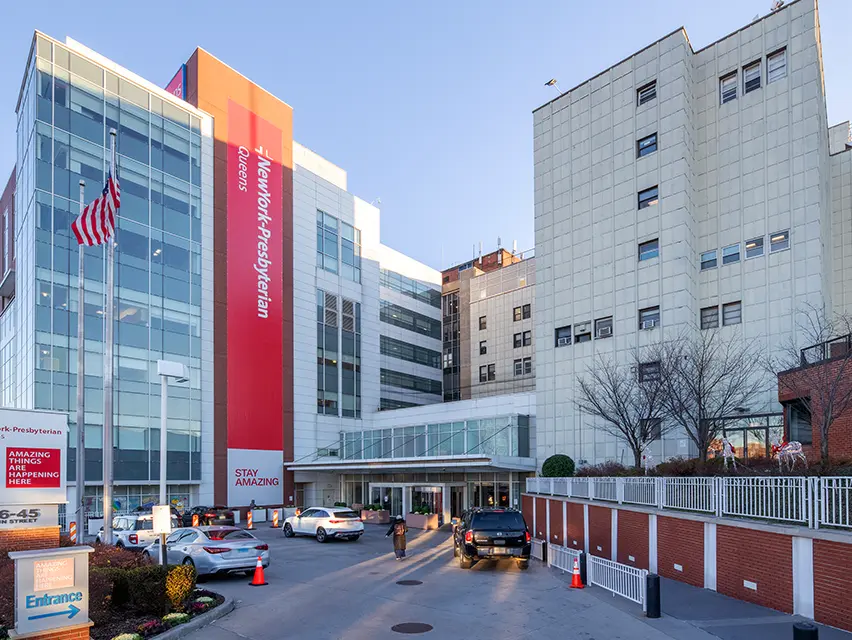
The look for neurological competence in a city as thick as New York City has reached a brand-new level of specificity in 2026. While family doctors dealt with fundamental diagnostic jobs in the past, the present medical environment in the region favors extremely targeted centers. These facilities focus on narrow fields such as neuro-ophthalmology, motion disorders, or free dysfunction instead of trying to deal with every brain-related condition under one roofing. This pattern shows a broader modification in how clients access specialized neurology across the 5 districts.
For numerous homeowners, the main hurdle is no longer discovering a neurologist, but discovering the ideal one. A patient experiencing tremblings needs a different set of diagnostic tools than someone handling chronic migraines or post-viral cognitive issues. Centers in 2026 have adjusted by staff-clustering, where three or four professionals in a single sub-field share a practice to supply a much deeper level of knowledge. This concentration of knowledge enables more precise consultation and a quicker path to a practical treatment strategy.
Advanced Diagnostics and Remote Tracking in 2026
Technology has actually substantially changed the client experience in the metropolitan area. High-tesla MRI machines and portable EEG devices are now standard in top-tier facilities, but the real change depends on how information is collected outside the clinic walls. Lots of specialized centers now supply patients with wearable sensing units that track gait, sleep patterns, and heart rate irregularity over a number of weeks. This information provides a clearer photo of a client's every day life than a brief twenty-minute office visit ever could.
Neurologists use this info to change medications with a level of precision that was tough to accomplish simply a few years earlier. In cases of epilepsy or Parkinson's illness, these information points permit for proactive interventions before a crisis happens. Clients looking for Headache Care often discover that the most efficient outcomes come from clinics that highlight this constant information stream over occasional physical exams. By the time a patient takes a seat in an exam space in Manhattan or Brooklyn, the doctor has currently reviewed several days of real-time neurological information.
Geographical Availability Throughout New York
The concentration of medical quality has actually traditionally been centered in the Upper East Side and Midtown Manhattan. However, in 2026, there is a noticeable decentralization of specialized care. Modern centers have established satellite offices in areas like Long Island City, Downtown Brooklyn, and even parts of Staten Island. This shift decreases the physical pressure on patients who might have mobility concerns, making it much easier to maintain regular follow-up consultations without a difficult commute.
Telemedicine likewise plays a substantial function in this geographical expansion. While preliminary physical assessments and imaging still need an in-person see, most of follow-up consultations in the local area are performed through high-definition video calls. This hybrid model protects the minimal workplace space in high-rent districts for procedures and diagnostic testing, while keeping the assessment process efficient for both the supplier and the patient.
Choosing the Right Neurological Provider
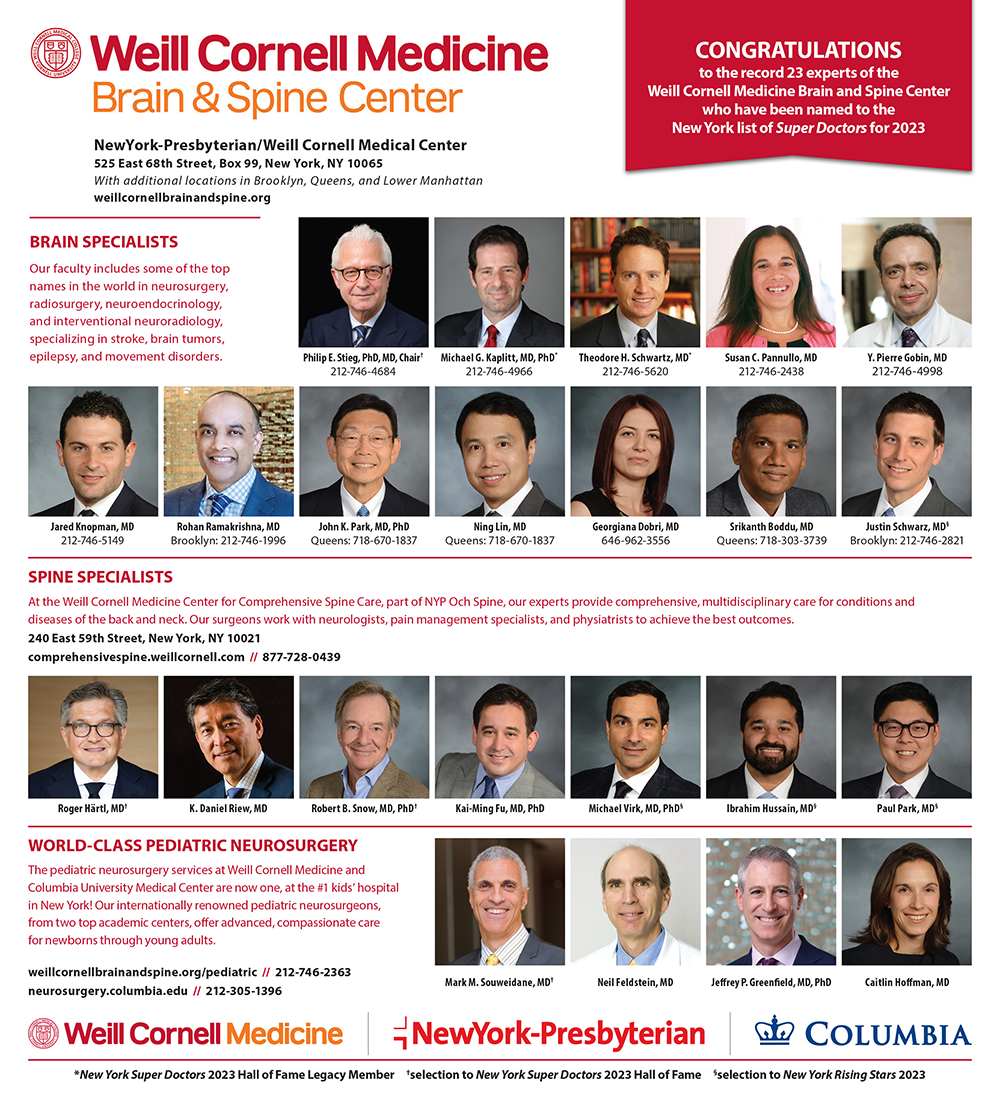
When choosing a clinic, residents now look beyond fundamental qualifications. In 2026, the reputation of a center typically rests on its specific research study output and its participation in medical trials. Lots of clients are turning to Comprehensive Headache Care Facility to handle intricate persistent conditions that need more than just a basic prescription. These specialized centers often have direct ties to scholastic institutions, providing patients access to emerging treatments that are not yet offered in general practice.
Insurance protection remains a main factor to consider. While some clinics in the region run on a private-pay or concierge design, a growing number of specialized facilities have formed partnerships with major insurers to develop "centers of quality." These contracts frequently improve the permission procedure for expensive tests like animal scans or genetic sequencing, which are essential for recognizing rare neurological variants. Looking for these classifications can save a client thousands of dollars in out-of-pocket costs.
The Client Experience and Assistance Networks
Navigating a neurological diagnosis is frequently a psychological and logistical challenge. The finest clinics in 2026 recognize this by utilizing devoted client organizers. These individuals act as a bridge between the expert, the insurance provider, and the client's household. They assist manage the complex scheduling required for multi-day screening and guarantee that medical records move efficiently between different experts.
Assistance groups have likewise moved into the digital area, typically moderated by clinic personnel. These online forums allow clients in the local market to get in touch with others dealing with comparable obstacles, sharing useful recommendations on whatever from local transport options for those with restricted mobility to the best pharmacies for specialized compounded medications. This neighborhood element of care has actually shown just as essential as the medical treatments themselves for long-term management of chronic conditions.
Future-Proofing Neurological Care in the Urban Center
As the population ages, the need for cognitive health services is expected to increase. Centers are currently getting ready for this by integrating dietary counseling and physical treatment directly into their neurological programs. The awareness that brain health is linked to cardiovascular fitness and metabolic health has actually resulted in a more holistic technique in lots of local centers. It is no longer unusual to see a neurologist working together with a diet professional or a vestibular therapist to deal with a single client's requirements.

Effectiveness in 2026 is driven by AI-assisted triage systems that assist identify which patients require immediate attention and which can be managed with routine follow-ups. These systems examine symptoms and history to make sure that the most critical cases are seen by a professional within days instead of months. While wait times for non-urgent appointments can still be long, the prioritization of high-risk patients has actually enhanced the overall security of the regional healthcare system.
The local medical community continues to adjust to the high-pressure environment of the city. By focusing on sub-specialization, integrating advanced information collection, and broadening physical access, these centers offer a needed service for the millions who call this area home. For anyone dealing with the intricacies of the human nerve system, the options available in 2026 offer a level of accuracy and assistance that represents a substantial advance in contemporary medication.

Latest Posts
High-Impact Outcomes from Targeted Neighborhood Brain Health Initiatives
Discovering Convenience and Care: What NYC Nerve Patients Value Most